Case study · 2026
Savor
Turning the recipes I saved everywhere into a cookbook I could actually use.
The problem
The tools I was using were built for saving content, not remembering what I cooked.
- Social platforms are great at helping me discover recipes.
- Photos are great at storing screenshots.
- Messages are great for sharing links.
But none of them answered:
- What recipe did I actually make?
- What did I change?
- Which version did I like?
- When did I last cook it?
- Can I quickly send my version to someone?
I wasn’t missing recipes. I was missing a place for the recipes I actually cook.
The solution
What if saving a recipe was only the beginning?
Capture
Get recipe out of the messy places where I found it.
Curate
Review what AI extracted and make it accurate.
Cook
Actually use the recipe while cooking.
Remember
Keep my version, photo and cooking history for next time.
AI could do the tedious part, turning a screenshot into ingredients and steps. What ends up in the cookbook stays the cook’s decision. Most of what follows comes from holding that line.
The MVP
The MVP included:
- Screenshot-based recipe capture
- AI recipe extraction
- Editable ingredients and instructions
- Personal cookbook
- Recipe photos
- Nutrition information
- Favorites
- Cook Mode
- Recipe editing and deletion
- Basic accounts and persistence
Intentionally left out
I intentionally didn’t start with:
Social profiles, followers, meal planning, shopping lists, payments, community features
I wanted the loop from capture to remember to work before adding anything around it.
Designing with AI
The important part was deciding what deserved to become a feature.
For every idea I had AI explore it first, then decided: drop it, steer it, or build it. Then I critiqued what got built and went again.
I didn’t let AI decide what Savor should look like. Before asking Lovable to build the product, I created a design.md file that defined the visual and interaction direction I wanted it to follow. My goal was to give AI the design context before giving it the implementation task. Instead of prompting Lovable screen by screen and hoping the UI would become cohesive, I established the design language up front. Design.md became the creative brief for the build.
The final product
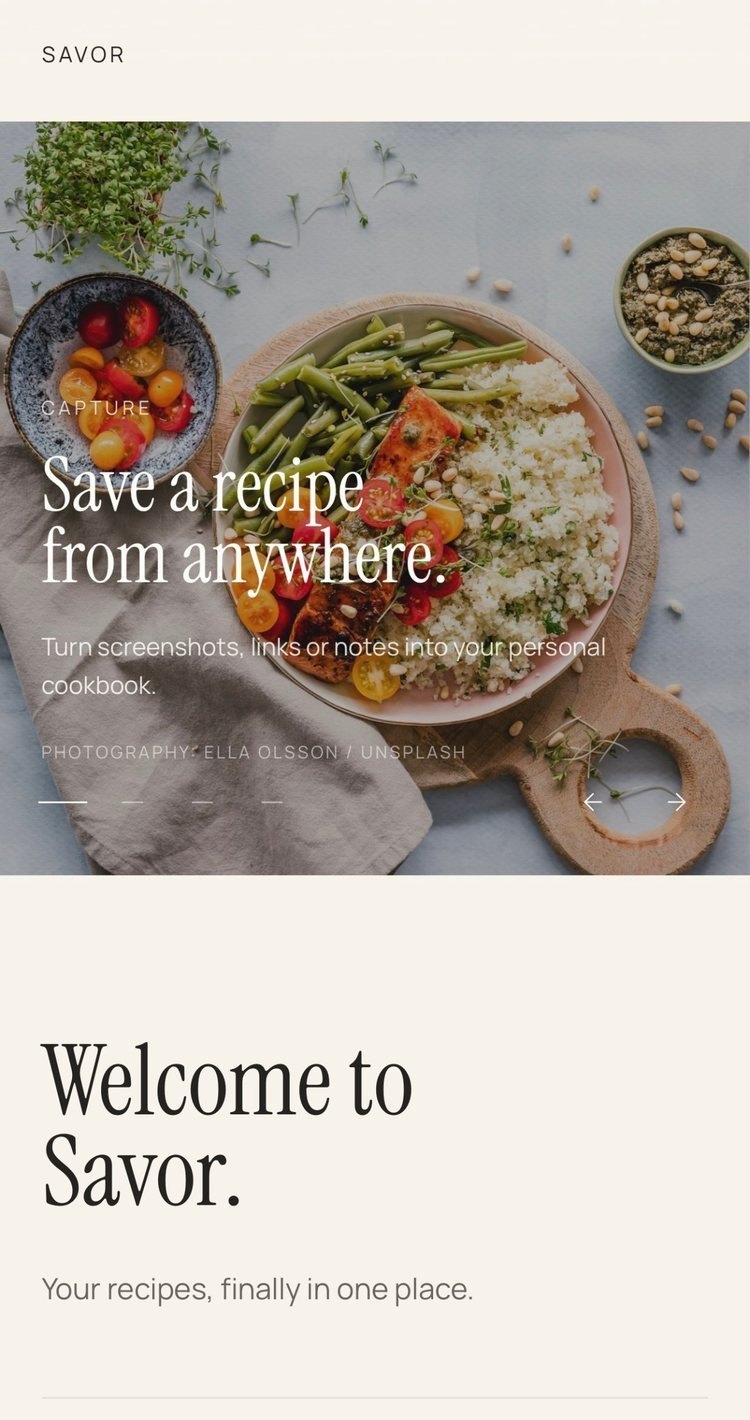
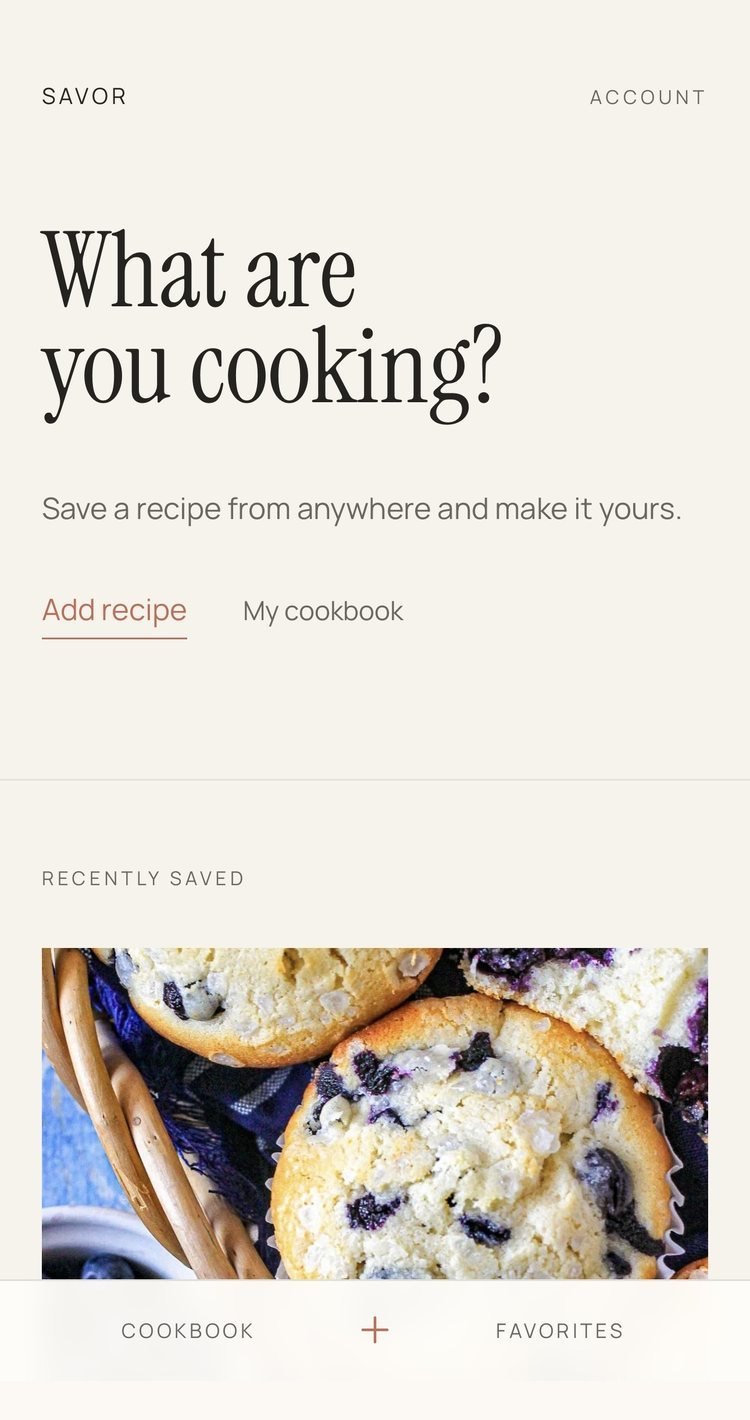
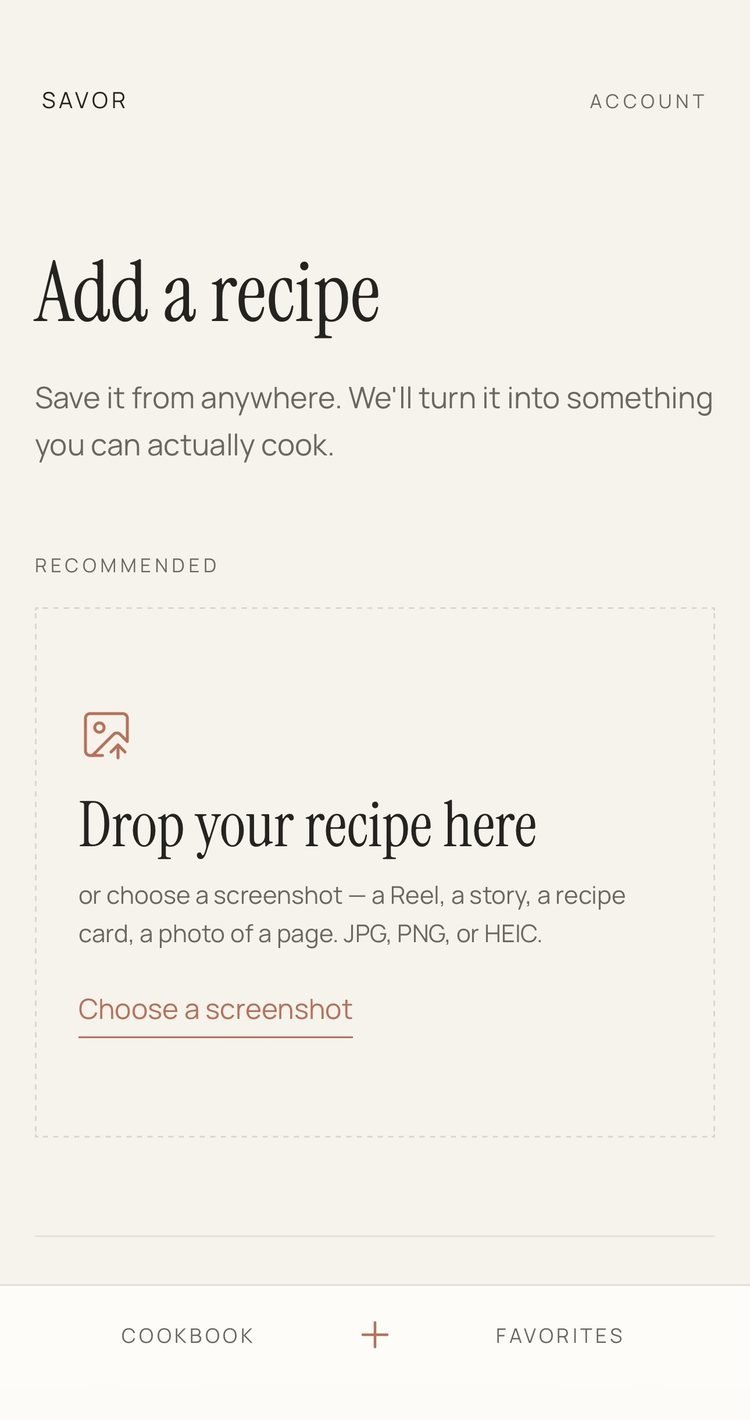
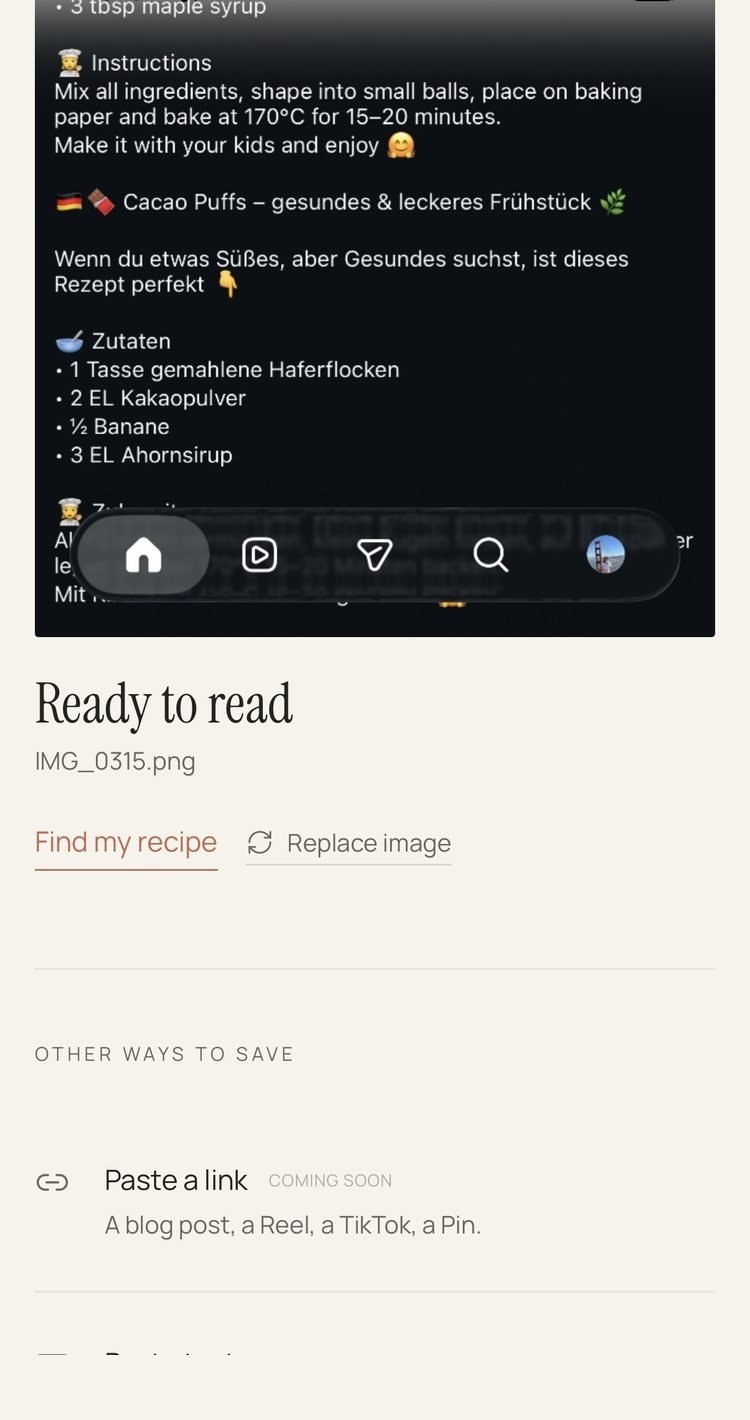
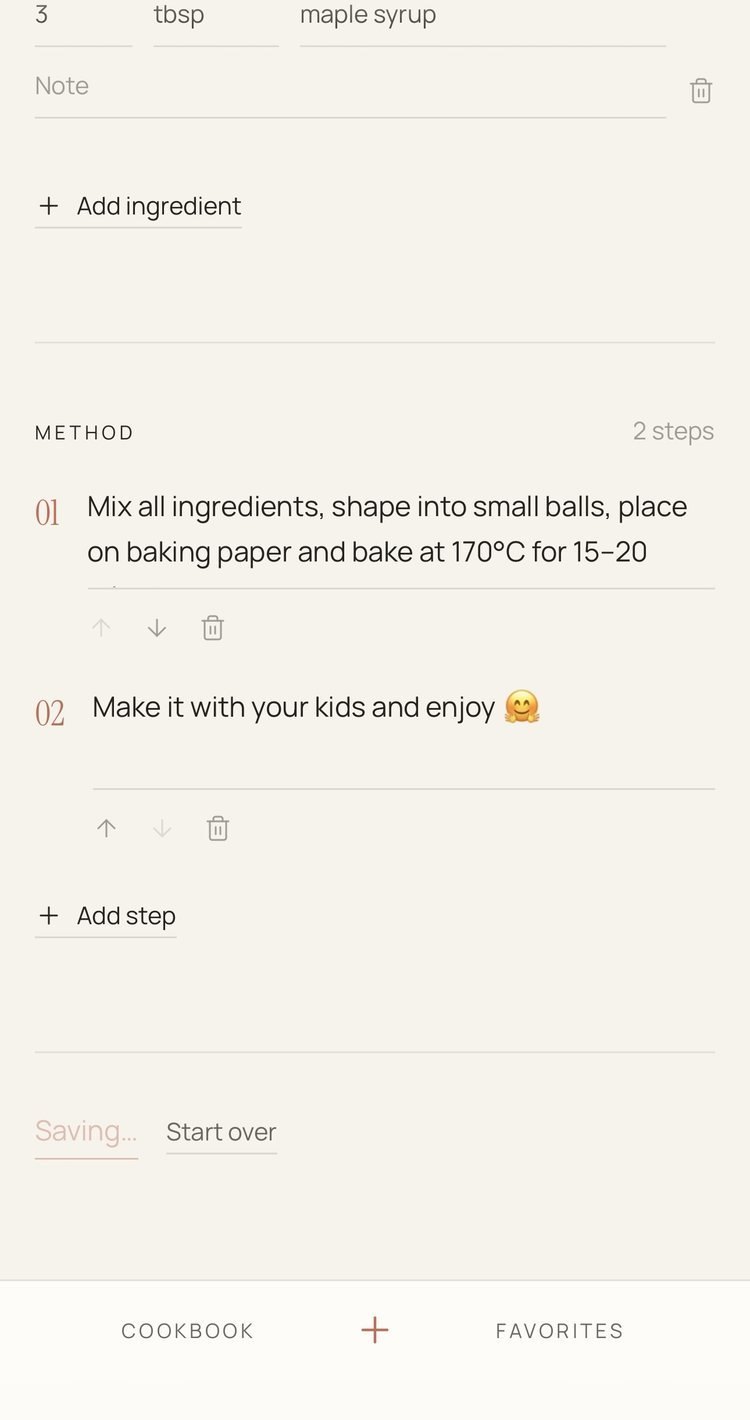
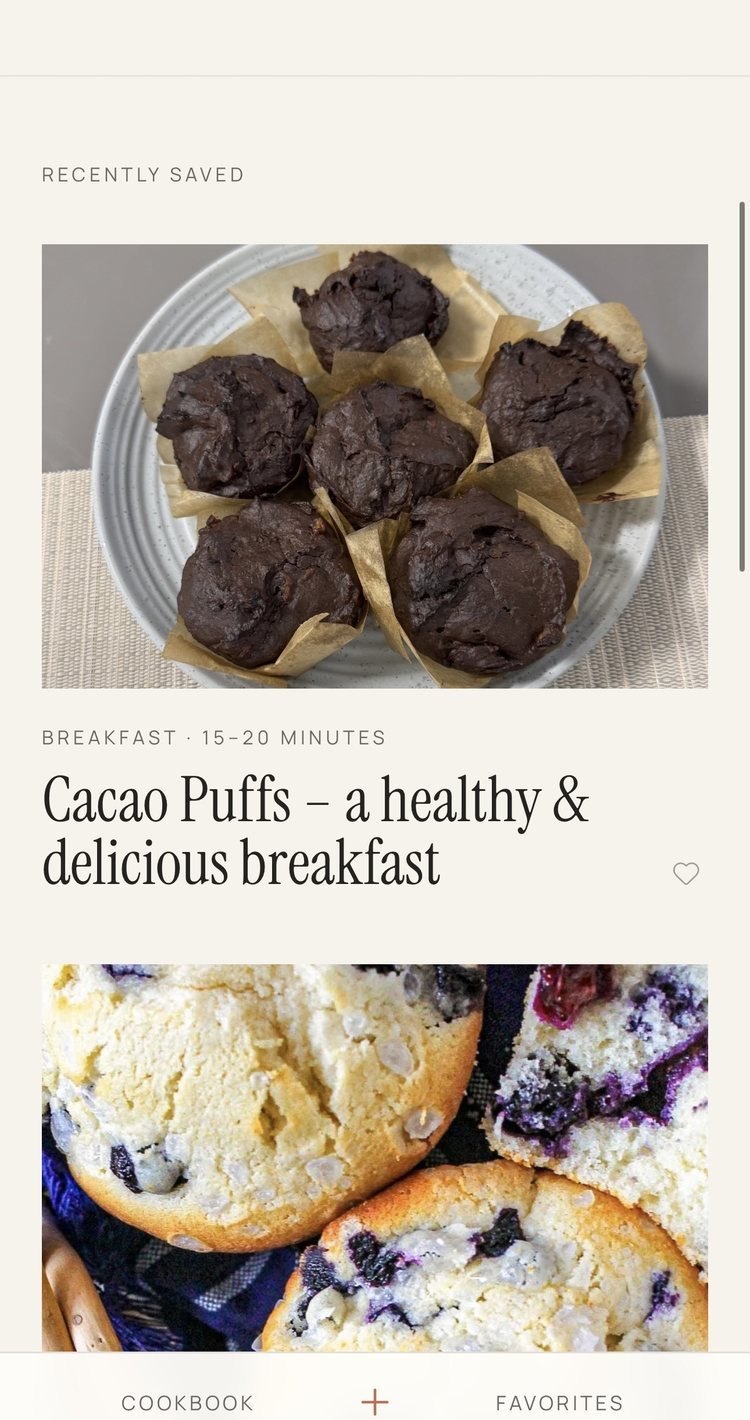
Impact
Savor is live. I cook with it every day, and I’ve shared it with friends and family.
They had the same problems I did: recipes cluttering their phones, and not being able to find the exact recipe they cooked before. They find it helpful to keep everything in one place and come back to the exact version they made.
Rejected prompts
I learned quickly that AI will happily build the wrong thing. One of the biggest lessons from Savor was that detailed prompting doesn’t automatically produce good product design.
Most of the work was saying no: to features, to screens that looked generic, to things that weren’t finished yet.
Add a notes feature.
- Why I rejected it
- It added a second place to write things down without making the recipe itself any better.
- What I changed
- Your own photo and your cooking history became the personal part of each recipe instead.
Add more features to the cookbook.
- Why I rejected it
- None of it helped me find and cook the recipe I’d made before.
- What I changed
- I focused the MVP around Capture → Curate → Cook → Remember.
What I learned
AI made it easy to turn an idea into a working screen in minutes. It made it just as easy to build things that shouldn’t exist.
So most of my time went on the questions the tool can’t answer: what to build, what to leave out, what isn’t good enough yet, and whether it solves the problem at all.

 1
2
3
4